How Packaging Companies Can Reduce Microplastic Formation From Their Products
Packaging companies can reduce microplastic formation by adopting PlasticIQ® technology, validated under ASTM D6954 Tier 1-3 testing. Learn how BioBottles® and BioCaps® are engineered to help prevent persistent microplastic fragments if packaging escapes containment.
Packaging companies face a question that is no longer theoretical: what happens to your bottles, caps, and containers when they escape the waste stream? For most conventional HDPE and PP packaging, the answer is persistent microplastic formation. A 2026 peer-reviewed study published in Nature Climate Change by researchers at Fudan University and Duke University found that microplastics floating on the ocean surface darken it, increasing solar heat absorption, with the effect calculated at approximately 16% as much warming as black carbon in affected ocean regions. Separately, a 2024 study in the New England Journal of Medicine found that patients with microplastics or nanoplastics in carotid arterial plaque had a 4.5x higher risk of heart attack, stroke, or death within 34 months compared to those without detectable particles. These are not hypothetical risks. They are peer-reviewed data points that procurement leads and sustainability engineers now have to factor into packaging decisions.
So what can packaging companies actually do? This post lays out the technical pathway, the testing standard that validates it, and the specific product architecture that Green Frog Packaging has built around it. Green Frog Packaging's BioBottles (HDPE) and BioCaps (PP) integrate PlasticIQ® technology to address this problem at the molecular level.
Why Conventional Plastic Becomes a Microplastic Problem
Only about 9% of global plastic waste is recycled. Roughly 22% is mismanaged and enters the environment as litter, waterway contamination, or open dumping. When conventional polyolefins like HDPE or PP are exposed to UV, heat, and oxygen in the open environment, they undergo photodegradation. This physical fragmentation process breaks large pieces into progressively smaller fragments, but the polymer chains themselves remain intact at a molecular level. The result is persistent microplastic particles that resist microbial assimilation and accumulate in soil, water, and living tissue. Royer et al. (PLoS ONE, 2018) also documented that photodegrading plastics emit greenhouse gases including methane, ethylene, propylene, and ethane, with rates that accelerate in ocean environments.
The core engineering problem is this: fragmentation is not the same as assimilation. A packaging material that breaks into smaller pieces without reducing its molecular weight below the bioassimilable threshold simply creates more microplastic surface area. Any credible reduction strategy has to address molecular weight, not just physical size.
The Technical Pathway: Controlled Oxidation Followed by Microbial Assimilation
Green Frog Packaging's approach is built on PlasticIQ® Prodegradant BioPolymer Catalyst, integrated into HDPE and PP at approximately 1% concentration. PlasticIQ® is not an enzyme. It is a prodegradant catalyst that initiates controlled oxidative chain scission when the material is exposed to oxygen, heat, and UV light, which are the exact conditions present when packaging escapes containment.
How PlasticIQ® Works at the Molecular Level
- Controlled oxidation reduces polymer molecular weight from above 200,000 Daltons to below 5,000 Daltons through chain scission, not fragmentation alone.
- Below the 5,000 Dalton threshold, the material transitions from hydrophobic to hydrophilic, making it bioassimilable by microorganisms in the environment.
- Microbial assimilation then converts the low-molecular-weight material into CO2, water, and biomass, completing the cycle without leaving persistent synthetic polymer fragments.
This is the critical distinction. The objective is not to make plastic disappear faster in a visual sense. The objective is to prevent the formation of persistent microplastic fragments by driving molecular weight below the threshold at which microbial communities can consume the material.
The Testing Standard: ASTM D6954 Tier 1-3
Claims about microplastic prevention need to be validated, not asserted. The relevant standard is ASTM D6954, which provides a three-tier protocol specifically designed for oxo-biodegradable plastics. BioBottles and BioCaps with PlasticIQ® have been verified under all three tiers of the 2024 edition, with third-party validation by Jordi Labs in the United States and international scientific experts including work aligned with research by Prof. Telmo Ojeda.
- Tier 1, Oxidation: Confirms that controlled chain scission occurs and measures molecular weight reduction and oxidation onset under defined conditions.
- Tier 2, Biodegradation: Measures CO2 evolution and confirms the material becomes a food source for microorganisms, not a persistent fragment.
- Tier 3, Ecotoxicity: Validates that no harmful residues remain after the process is complete, confirming environmental safety.
What This Means for BioBottles® and BioCaps®
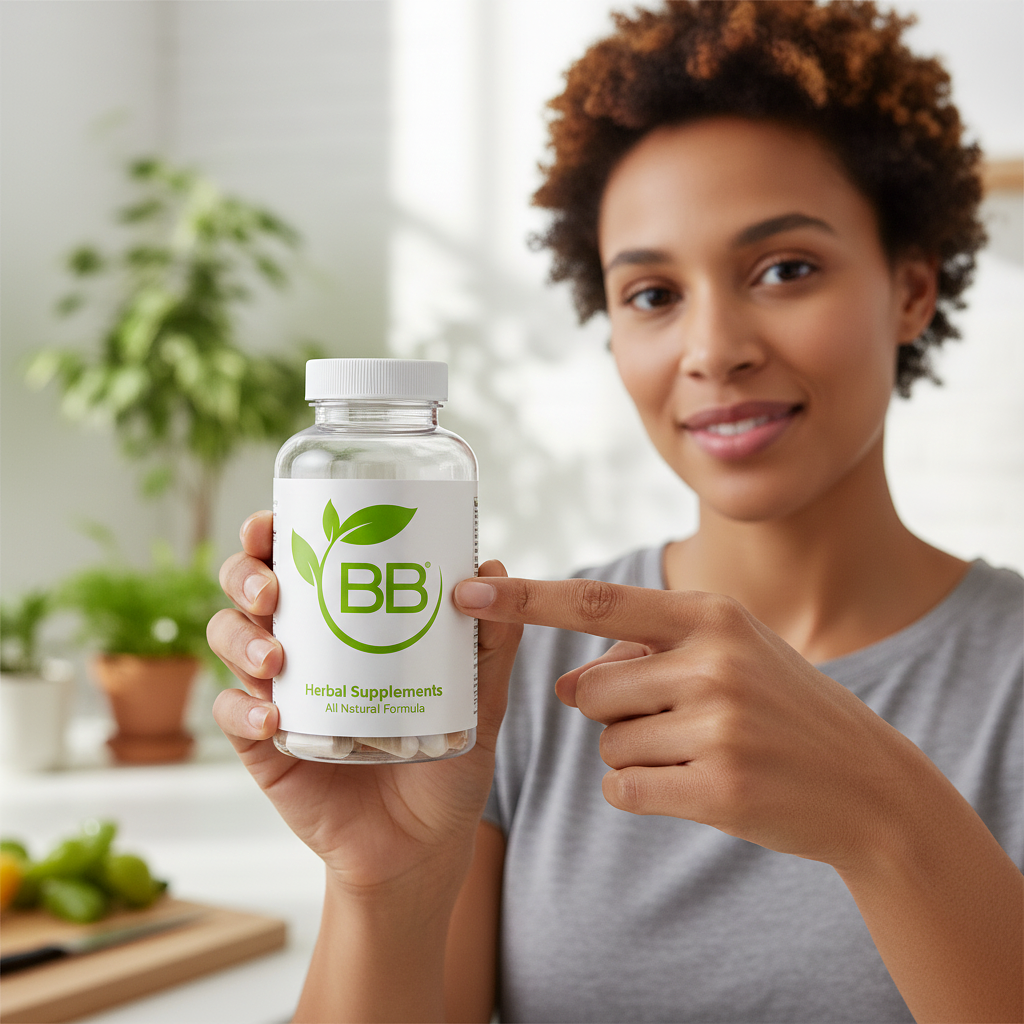
BioBottles® and BioCaps® are manufactured with PlasticIQ® integrated at the resin level. Under normal use conditions, such as sitting on a retail shelf, stored in a warehouse, or in a consumer's home, the material performs identically to conventional HDPE or PP. PlasticIQ® activation requires sustained exposure to environmental triggers, specifically oxygen, heat, and UV, at levels not present in normal storage or use. This means BioBottles® and BioCaps® maintain full functionality and recyclability under normal use, while providing a scientifically validated mechanism to prevent persistent microplastic formation if a unit escapes containment.
For brands in the supplement, nutraceutical, personal care, food and beverage, and health and wellness sectors, this addresses a growing compliance and reputational risk without requiring a change in packaging line equipment, fill processes, or material handling. BioBottles® (HDPE) are compatible with existing HDPE recycling streams, and BioCaps® (PP) are compatible with existing PP streams. Recyclability claims are always qualified: recyclable when properly disposed of and collected through existing systems, with local programs varying by region, in compliance with California SB 343 requirements.
BioBottles® and BioCaps® are also FDA food-contact compliant under 21 CFR sections 177.1520, 178.2010, and 175.300, as well as EU 10/2011 for European food contact applications. For sourcing managers in regulated categories, this removes a common barrier to adoption.
Practical Steps for Packaging Engineers and Procurement Teams
- Request ASTM D6954 Tier 1-3 test documentation from any supplier making microplastic-related claims. Ask specifically for molecular weight reduction data from Tier 1 and CO2 evolution data from Tier 2.
- Evaluate whether the additive technology in use is a prodegradant catalyst that drives molecular weight below 5,000 Daltons, or simply a fragmentation aid that creates smaller plastic pieces without enabling microbial assimilation.
- Confirm FDA food-contact compliance if your application involves direct or indirect food or supplement contact. PlasticIQ® is validated under the relevant CFR sections.
- Review recyclability claims against California SB 343 and FTC Green Guides requirements. Any unqualified recyclability claim creates regulatory exposure.
Learn more about BioBottles and BioCaps at gogreenfrog.com.
Related reading
- Oxo-Biodegradable vs. Oxo-Degradable Plastic: Why the Distinction Matters for Your Brand Oxo-degradable plastics create persistent microplastics. Oxo-biodegradable BioBottles® with PlasticIQ® technology complete bacterial assimilation, verified under ASTM D6954 Tier 1-3. Learn the science and the regulatory difference.
- Oxo-Biodegradable vs. Oxo-Degradable Plastic: Why the Difference Matters for Microplastic Prevention Learn the critical difference between oxo-degradable and oxo-biodegradable plastic — and why it determines whether your packaging creates persistent microplastics or prevents them.
- Do Biodegradable Plastic Additives Actually Work? What the Science Says About PlasticIQ™ Do biodegradable plastic additives actually work? Discover the science behind PlasticIQ™ technology in BioBottles® and BioCaps® — ASTM D6954 verified to prevent persistent microplastic formation.