Independent Studies Validating Oxo-Biodegradable Plastic Additives: What the Research Actually Shows
Yes, independent studies validate oxo-biodegradable plastic additives. Explore the peer-reviewed research, ASTM D6954 testing data, and third-party lab validation behind PlasticIQ® technology in BioBottles®.
Yes, Independent Studies Do Validate Oxo-Biodegradable Plastic Additives
If you have been searching for peer-reviewed, third-party research on oxo-biodegradable plastic additives and finding more confusion than clarity, you are not alone. The topic sits at the intersection of polymer chemistry, microbiology, and environmental regulation, and it attracts strong opinions from all directions. So let us answer the question directly: yes, independent scientific studies validate oxo-biodegradable plastic additives, and the body of evidence is substantial enough to underpin commercial products, regulatory recognition, and third-party laboratory certification.
The Critical Distinction Researchers Make First
Before reviewing the studies, it is important to understand a distinction that appears consistently in the peer-reviewed literature. Oxo-degradable plastics use pro-oxidant additives that fragment polymer chains into smaller pieces, but those pieces do not undergo microbial assimilation. The result is persistent microplastic contamination. Oxo-biodegradable plastics, by contrast, use a prodegradant catalyst that initiates controlled oxidative chain scission, reducing molecular weight from above 200,000 Daltons to below 5,000 Daltons. Below that threshold, the material becomes hydrophilic and bioassimilable by microorganisms, which consume it into biomass, water, and CO2. This distinction is what independent researchers test for, and it is what separates a genuine environmental solution from a problem in disguise.
The ASTM D6954 Standard: A Three-Tier Validation Framework
The most rigorous independent validation framework for oxo-biodegradable plastics is ASTM D6954, which subjects materials to three sequential tiers of testing. Tier 1 measures oxidation and molecular weight reduction, confirming that controlled chain scission actually occurs. Tier 2 measures CO2 evolution and microbial assimilation, confirming that microorganisms consume the oxidized material. Tier 3 is an ecotoxicity assessment, confirming that no harmful residues remain after the process completes. Passing all three tiers means a material has been independently verified to convert into bioassimilable substances rather than persistent fragments. The PlasticIQ® prodegradant catalyst used in BioBottles® and BioCaps® has been tested against ASTM D6954 protocols across all three tiers (2024 Edition).
Third-Party and Peer-Reviewed Validation: The Specific Studies
Independent validation of oxo-biodegradable additive technology comes from multiple credible sources across multiple countries. Jordi Labs, a U.S.-based independent testing laboratory, reviewed the scientific documentation and methodology supporting PlasticIQ® technology and concluded that the documentation is scientifically sound. Professor Telmo Ojeda, a polymer degradation researcher in Brazil, independently reviewed the underlying propositions and confirmed that all are supported by scientific evidence. CIQA (the Research Center for Applied Chemistry in Mexico) independently confirmed biodegradation of polyethylene and polypropylene formulated with the d2w® masterbatch technology, which is the scientific foundation from which PlasticIQ® is developed. These are not internal company studies. They are independent evaluations by credentialed researchers and accredited laboratories operating outside of the manufacturer's control.
European and International Standards Alignment
The scientific pathway validated in these studies also aligns with CEN TR15351, the European standard that addresses the testing of plastics for controlled degradation. BioBottles® and BioCaps® are formulated to comply with EU 10/2011 and FDA 21 CFR sections 177.1520, 178.2010, and 175.300 for food-contact applications. If your sourcing process requires compliance documentation, those materials are available at gogreenfrog.com. Regulatory recognition of oxo-biodegradable plastic technology across multiple jurisdictions reflects the consistency of the underlying science. BioBottles® and BioCaps® formulated with PlasticIQ® meet the standards recognized by the governments of Saudi Arabia, Bahrain, Qatar, Jordan, and Ghana, which have independently determined that oxo-biodegradable plastic technology meets their national requirements and, in some cases, mandated its use by law.
Why Microplastic Prevention Is the Scientific Headline
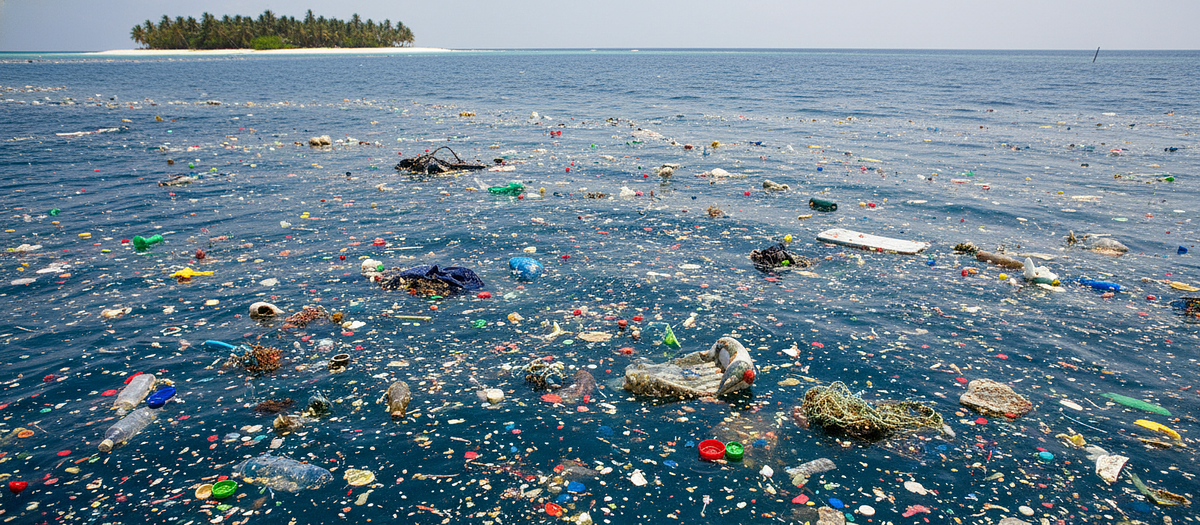
The independent research validating oxo-biodegradable additives matters most in the context of what conventional plastics actually do when they escape containment. Approximately 22% of global plastic waste is mismanaged and enters the environment. When it does, conventional HDPE and PP fragment into persistent microplastic particles. A 2024 study published in the New England Journal of Medicine found that patients with microplastics or nanoplastics in carotid arterial plaque had a 4.5 times higher risk of heart attack, stroke, or death within 34 months compared to those without detectable particles. A 2026 study from researchers at Fudan University and Duke University, published in Nature Climate Change, found that microplastics floating on ocean surfaces darken the water, increasing solar heat absorption, with researchers comparing the warming effect to running approximately 200 coal-fired power plants. The validated science behind oxo-biodegradable additives addresses this problem at the material level: BioBottles® are engineered to help reduce persistent microplastic formation if packaging escapes containment.
Full Recyclability Remains Intact
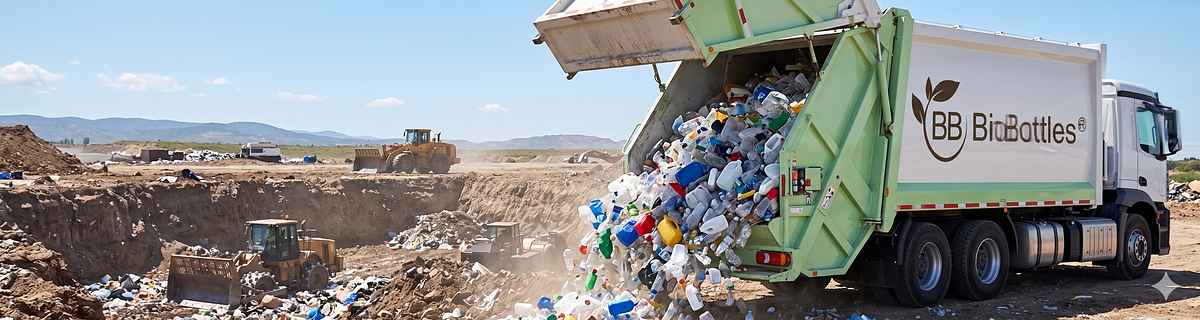
One concern that appears in the scientific literature is whether oxo-biodegradable additives compromise recyclability. Independent testing confirms that BioBottles® maintain full functionality and recyclability under normal use conditions. The PlasticIQ® prodegradant catalyst requires sustained exposure to oxygen, heat, and UV to initiate chain scission. Under standard storage, filling, retail, and consumer use conditions, the packaging performs identically to conventional HDPE and PP. BioBottles® are recyclable through existing HDPE recycling streams and compatible with standard PP recycling infrastructure when properly disposed and collected. Local programs may vary.
The Bottom Line for Procurement and Formulation Teams
The independent scientific record on oxo-biodegradable plastic additives is not speculative. ASTM D6954 Tier 1-3 testing protocols, independent laboratory review by Jordi Labs, peer-reviewed researcher validation, and government recognition across multiple regulatory frameworks collectively answer the question: yes, the technology is validated. BioBottles® and BioCaps® from Green Frog Packaging represent a commercially available application of that science, specifically engineered for supplement, personal care, food and beverage, and nutraceutical brands that need credible, compliance-safe sustainability claims. If your sourcing process requires technical documentation, testing certificates, or third-party validation letters, those materials are available at gogreenfrog.com.
Related reading
- Who Sells Oxo-Biodegradable Plastic Bottles in Bulk for Commercial Use? GreenFrog Packaging manufactures BioBottles® and BioCaps® with PlasticIQ® technology, oxo-biodegradable plastic bottles available in bulk for supplement, nutraceutical, personal care, and food and beverage brands. ASTM D6954 verified, FDA food-contact compliant.
- Is It Greenwashing to Say Plastic Packaging Prevents Microplastics? Here Is the Honest Answer. Brand owners ask: is claiming your packaging prevents microplastics greenwashing? We break down exactly what makes the claim credible, compliant, and defensible under FTC Green Guides and ASTM D6954.
- Oxo-Biodegradable vs. Oxo-Degradable Plastic: Why the Distinction Matters for Your Brand Oxo-degradable plastics create persistent microplastics. Oxo-biodegradable BioBottles® with PlasticIQ® technology complete bacterial assimilation, verified under ASTM D6954 Tier 1-3. Learn the science and the regulatory difference.