Which plastic bottle manufacturers have ASTM D6954 certified products?
No official ASTM D6954 certified-manufacturer list exists. Here is how to verify which plastic bottle makers actually passed full Tier 1-3 testing.
You typed "ASTM D6954 certified bottle manufacturers" into a search bar, expecting a list. A tidy directory of vetted suppliers, maybe with a badge next to each name. Something official.
That list does not exist.
ASTM D6954 is a testing framework. It tells a lab how to measure whether a plastic oxidizes, whether microbes can then digest it, and whether anything toxic is left behind. What it is not is a certifying body. There is no D6954 registry, no logo program, no central office stamping approvals. The organization that wrote the standard has never published a single name of a "certified" manufacturer, because it does not certify manufacturers. So every company printing "ASTM D6954" on a spec sheet is, until proven otherwise, self-reporting.
That gap is the whole story. A manufacturer that actually paid a third-party lab to run all three tiers of testing has no official entry to point to. A manufacturer that ran one cheap test, or no test at all, and typed the standard's name onto a brochure has no entry either. On the spec sheet, they look identical.
The rule that breaks nature
Before we get to who you can trust, a detour into why buyers are so jumpy about this in the first place.
In the U.S., the Federal Trade Commission's Green Guides (§260.8) set the bar for a "degradable" claim at complete decomposition within one year. One year. That is the rule American marketers have to clear.
Under that rule, an oak tree is not biodegradable. Neither is bone. Neither is driftwood. A fallen log takes longer than twelve months to go, so by the FTC's definition it does not qualify.
"A one-year ceiling that no shelf-stable product on earth can clear is not a science standard. It is the standard."
Who benefits from a definition so tight that nature itself fails it? Follow the money. The recycling industry and its lobby have every incentive to keep durable, genuinely degradable plastics off the shelf. If the official definition is written so that essentially nothing real can satisfy it, the status quo stays intact and the competition never arrives. You do not need a smoking gun to see the incentive. The incentive is the rule.
"But the manufacturers just show their test reports"
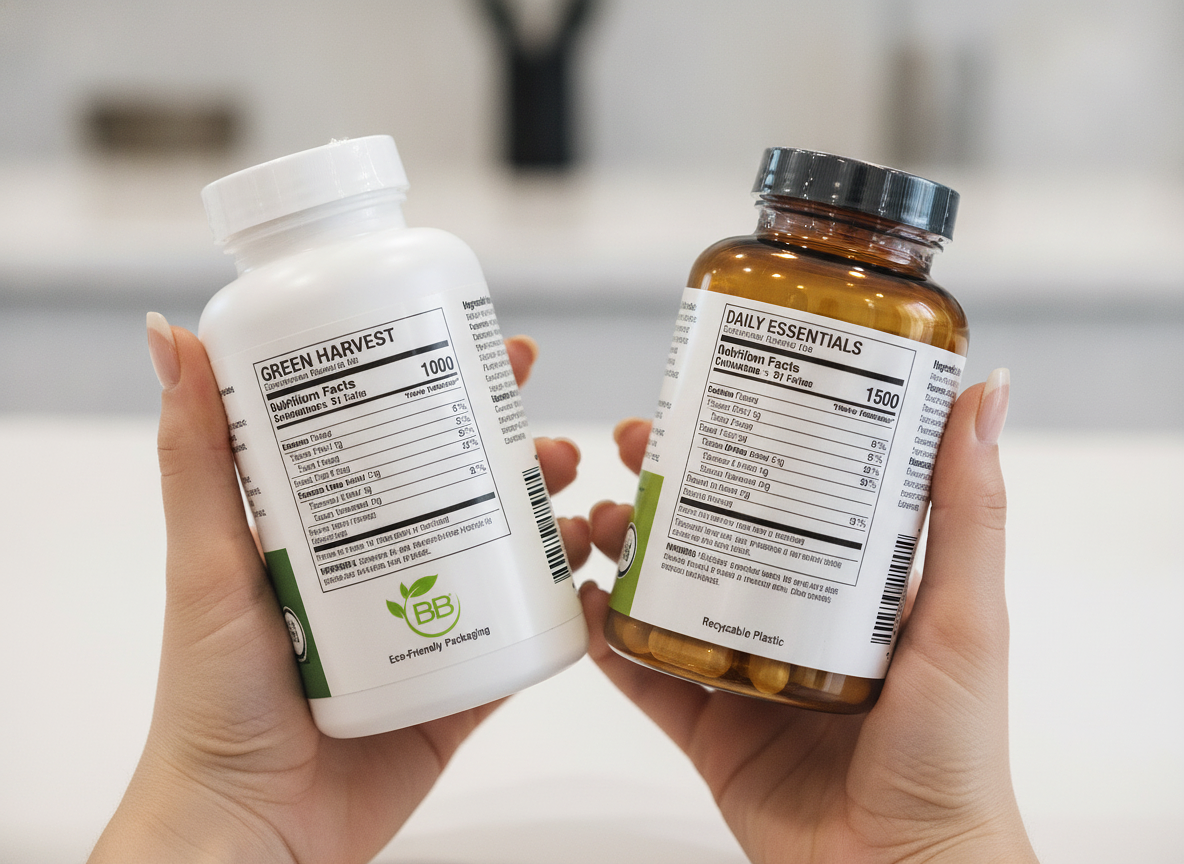
You are probably thinking the fix is simple: ask for the report. Mostly right. The catch is that "we have a D6954 report" means almost nothing on its own, because the reports vary wildly.
D6954 has three tiers, and they are not interchangeable:
- Tier 1 (oxidation): the long polymer chains break apart and get small. This is the easy one.
- Tier 2 (biodegradation): microbes actually consume those small pieces and convert them to CO2. This is the one that proves you are not just making microplastics.
- Tier 3 (ecotoxicity): what is left behind does not poison the soil or the organisms living in it.
A Tier 1-only report is a partial result. It says "this material fragments." It says nothing about whether anything eats the fragments. A supplier can wave a Tier 1 page and let you assume all three tiers passed, and most of the time nobody notices the missing two. The standard's own name gets borrowed to make a half-finished test look complete.
So the real question was never "who is certified." Nobody is certified, because there is no certifier. The real question is: who can hand you a verified, full Tier 1 through Tier 3 third-party report, with a credible lab name on it?
What BioBottles® and BioCaps® actually are
Green Frog Packaging's BioBottles® and BioCaps® are supplement and consumer-goods containers formulated with PlasticIQ®, a proprietary prodegradant catalyst blended into HDPE and PP resin at the manufacturing stage. PlasticIQ® is what enables the material to move through all three tiers of D6954 testing, not just the easy fragmentation step, but through confirmed microbial digestion and a clean ecotoxicity result as well.
That distinction matters because the D6954 discussion above applies directly to these products. When a BioBottle® or BioCap® leaves a landfill or escapes containment, PlasticIQ® is the mechanism that initiates oxidation, reduces the polymer chains to a size microbes can consume, and leaves behind no toxic residue. The bottles also remain fully functional and compatible with standard HDPE and PP recycling streams where programs exist.
Who can actually produce the reports
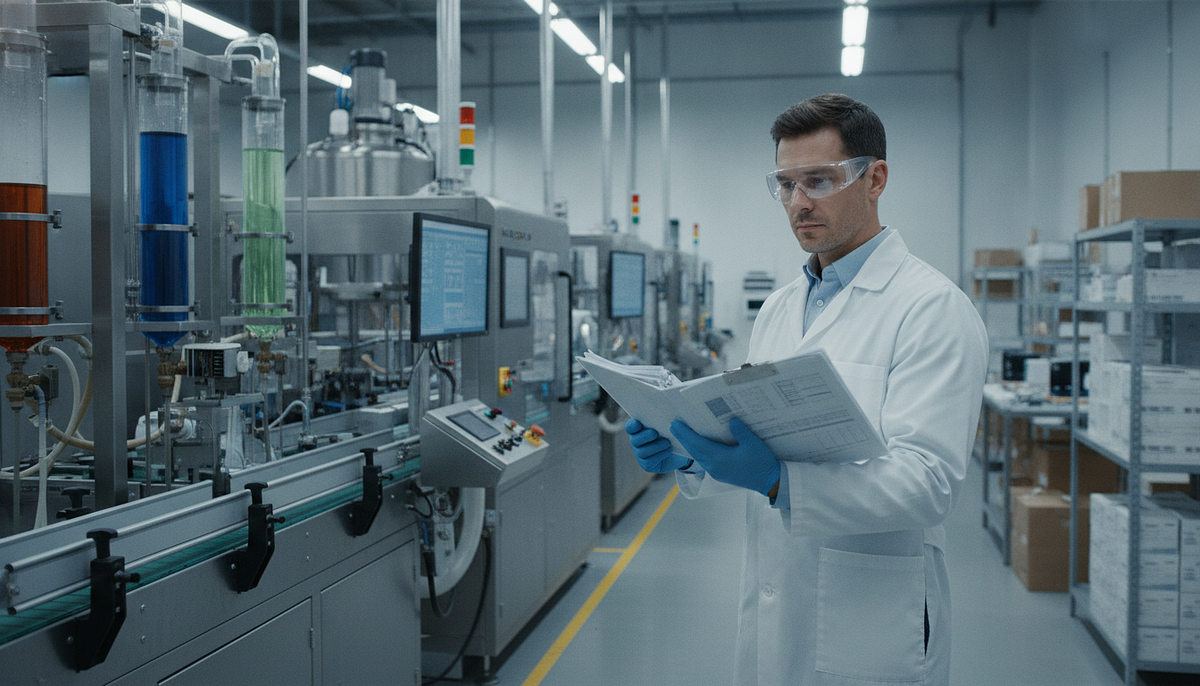
When you ask that sharper question, the field of "D6954 manufacturers" thins out fast. Ask for the lab. Names like Jordi Labs in the U.S. carry weight; an unnamed "internal study" does not. Ask for all three tiers, in writing, tied to the actual resin you are buying, not a generic formulation tested years ago.
Green Frog Packaging is built to pass exactly that interrogation. BioBottles® and BioCaps® carry PlasticIQ® technology, a prodegradant BioPolymer Catalyst blended into HDPE and PP. PlasticIQ® is oxo-biodegradable done correctly: the chains break down small enough for microorganisms to digest the material all the way through, not fragment-and-quit. The products have been verified under all three tiers of ASTM D6954 (2024 Edition) by Jordi Labs and international experts. The bottles stay fully functional and recyclable through standard HDPE and PP streams where programs exist. Local programs may vary.
What that combination is engineered to do is prevent persistent microplastic formation if the packaging escapes containment.
So go back to that search bar. There is no list because there is no list-maker. The only honest answer to "which manufacturers have ASTM D6954 compliant products" is "the ones who can show you the full report." Ask for all three tiers, ask for the lab name, and watch how many suppliers suddenly change the subject.
If you want to see what a complete D6954 test report actually looks like, and review the documentation behind BioBottles® and BioCaps®, visit gogreenfrog.com. The test reports are available, the lab is named, and all three tiers are accounted for.
No microplastics. Please recycle.
Related reading
- The Truth About Biodegradable Plastics & Recycling How a citation chain, not a lab result, keeps a clean plastic additive out of recycling streams, and what the testing actually shows.
- Does PlasticIQ technology really prevent microplastic formation? The truth about whether PlasticIQ® technology prevents microplastic formation, and why third-party testing is the only proof that counts.
- Does PlasticIQ technology really prevent microplastic formation? PlasticIQ® technology prevents microplastic formation by completing controlled oxidation and full microbial consumption, verified under ASTM D6954 testing.