Which independent laboratories have tested plastic made with degradable additives?
Named third-party laboratories that tested plastic made with degradable additives, the protocols they used, and what each result covers and does not.
"Has this been tested?" sounds like a yes-or-no question. It is not. The honest answer is a list: which laboratory, on which product form, to which protocol, and what the result did and did not cover. Most suppliers hand you the word "validated" and stop there. Here is the actual list.
The short answer, in one table
Five third-party laboratories across four countries have produced primary reports on plastic made with the degradable additive technology inside BioBottles® powered by PlasticIQ®. Each tested a different question.
| Laboratory | Country | What was tested | Protocol | Finding |
|---|---|---|---|---|
| AIMPLAS | Spain | Finished rigid HDPE bottle | APR Critical Guidance Protocol HDPE-CG-01 | No disconformities at 25% and 50% inclusion |
| TCKT | Austria | Recycled polyethylene film | EN 13430 (packaging recyclability) | Most unlikely to prevent compliance |
| Roediger Agencies (Univ. of Stellenbosch) | South Africa | Recycled PE with regrind blends | ASTM D5208 / D5510 weathering | Up to 25% regrind, no difference to product life |
| Jordi Labs | United States | A written microplastics conclusion | Independent scientific review | Conclusion scientifically sound |
| CIQA (ISO 17025-accredited) | Mexico | Finished HDPE product | NMX-E-288-NYCE-2022 | Compliance confirmed |
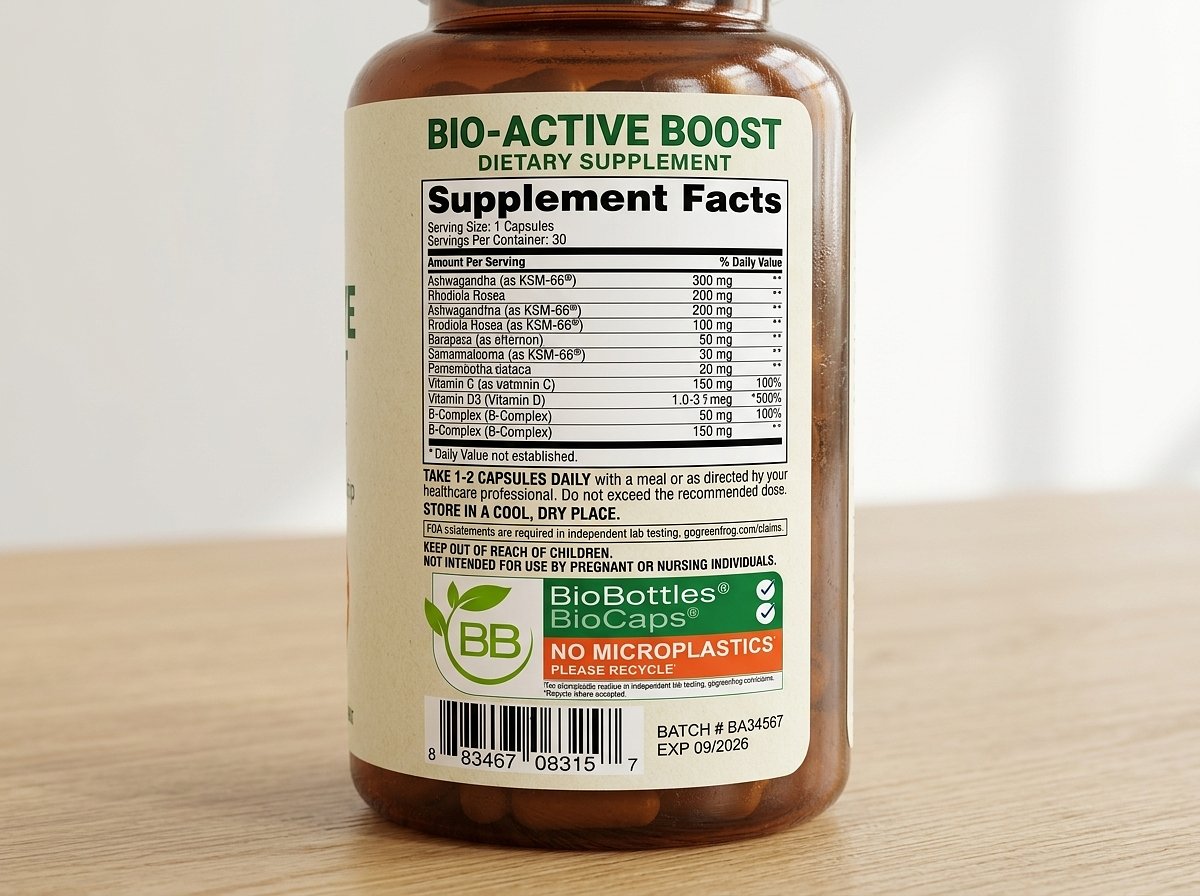
PlasticIQ® is the technology GreenFrog Packaging® builds into every BioBottles® and BioCaps® at its own factories in the USA. The reports name it as "d2w," the technology inside PlasticIQ®, so a study of d2w is a study of what is in the bottle.
Why a name matters more than a word
Regulators, retail buyers, and ESG auditors have stopped accepting supplier assurances. They ask for the primary source. A brand that can only produce a brochure claim is the brand that gets sent back to its supplier with questions. A named laboratory and a named protocol end the conversation.
That is the difference between "our technology is validated" and this: AIMPLAS, the Instituto Tecnológico del Plástico in Valencia, tested a finished BioBottles® rigid HDPE bottle in report AST-23-203 (4 December 2023) against the Association of Plastic Recyclers' own Critical Guidance Protocol for HDPE Rigid Containers, HDPE-CG-01. Not a film. Not a bag. The bottle.
What the bottle test actually found
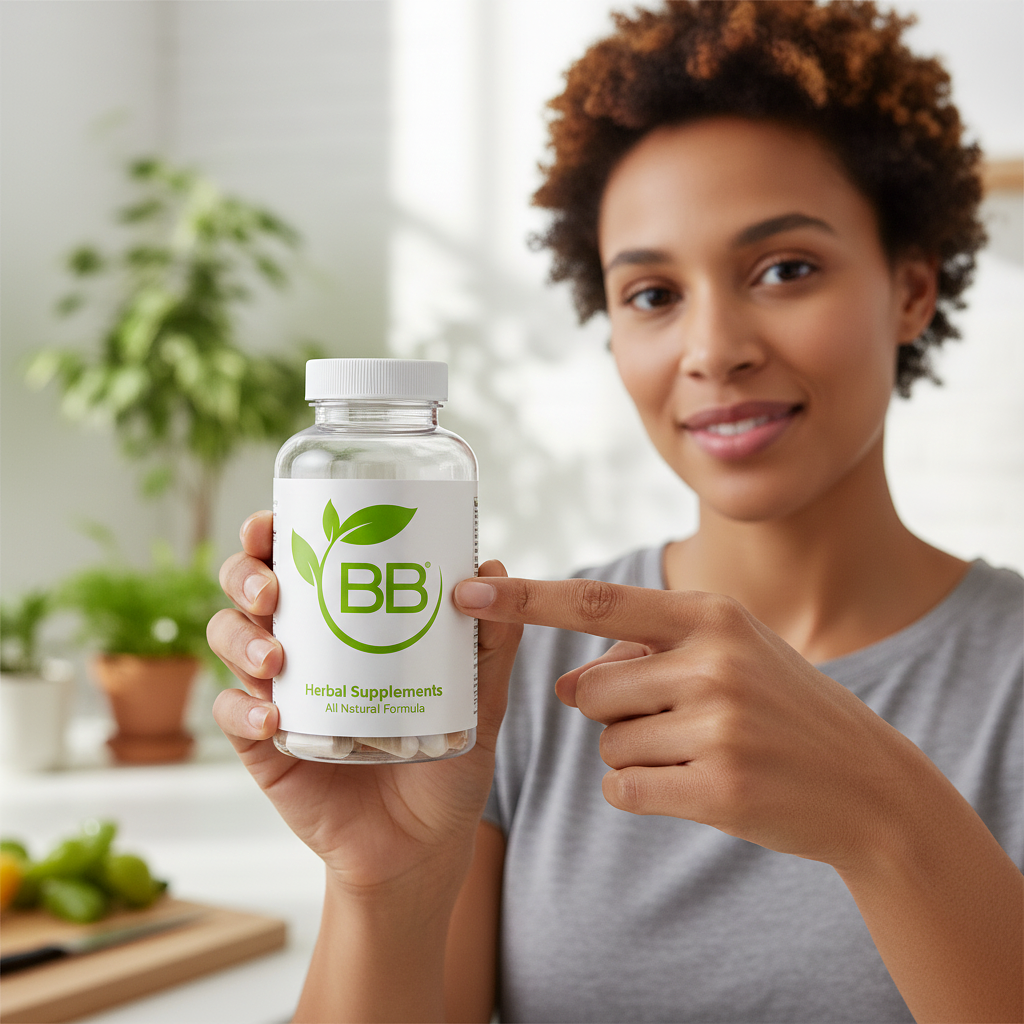
Nearly every hostile study in the literature is about films and carrier bags. The only laboratory evaluation of a rigid HDPE bottle containing this additive is the AIMPLAS report, and its conclusion reads: "no disconformities were detected in any of the samples, being all within the APR benchmark."
It was tested at 25% and 50% inclusion. Inclusion here means the proportion of the recycled blend made up of the bottle material, not the amount of additive. At 50% inclusion, tensile strength was 27.6 MPa, matching the control exactly. The flakes floated at 100% through the wash and sink-float steps that sort a recycling stream, behaving like the regular HDPE they are.
The recycling industry's own protocol, run on the actual bottle, found no problem at inclusion rates far above anything a real municipal stream would ever see.
The rest of the record, with its limits stated
Stating what each report does not cover is what makes the rest credible.
- AIMPLAS is a recyclability finding. It says the bottle does not disrupt the HDPE recycling stream. It says nothing about environmental fate, and should not be read as if it did.
- TCKT (Transfercenter für Kunststofftechnik, Austria) tested recycled polyethylene film and concluded the additive is "most unlikely to prevent compliance" with EN 13430, Europe's standard for recyclable packaging. That result is conditional on a standard UV stabiliser, the kind any outdoor product already contains. Film, not bottle.
- Roediger Agencies, at the University of Stellenbosch, found that up to 25% regrind made no difference to a moulded product's outdoor life expectancy after two years of exposure. Recycled film blends, not a finished bottle.
- Jordi Labs, a US polymer specialist with over 40 years of experience, reviewed a written microplastics statement and judged it "scientifically sound." Jordi reviewed a document, not a physical sample.
- CIQA, a Mexican public research laboratory accredited to ISO 17025, tested a finished HDPE product to Mexican national standard NMX-E-288-NYCE-2022 and confirmed compliance (report dated 17 September 2026). This is the first result in the record on a rigid HDPE form for environmental fate, on the polymer BioBottles® are made from. GreenFrog Packaging holds only the summary; the full report is being obtained.
What this means for your due-diligence file
You can now match each claim type to its supporting laboratory and protocol. Recyclability of the bottle: AIMPLAS to the APR protocol. Recyclability of blended recyclate: TCKT and Roediger. The microplastics reasoning: Jordi Labs. A national-standard pass on the rigid form: CIQA. Hand that stack to a legal or ESG reviewer and answer a retailer's questionnaire with primary sources instead of marketing copy.
The public report links live at gogreenfrog.com. Brands that want bottles, samples, or a quote can request them there.
The laboratories are named. The protocols are named. The limits are stated. That is what "tested" actually means.
Related reading
- Built to Fall Apart or Built to Be Remade? The Labs Tested Both — on the Same Plastic The claim that plastic can break down or be recycled but never both is a myth. Two labs tested the same HDPE bottle both ways. Both passed.
- The Truth About Biodegradable Plastics & Recycling How a citation chain, not a lab result, keeps a clean plastic additive out of recycling streams, and what the testing actually shows.
- Does PlasticIQ technology really prevent microplastic formation? The truth about whether PlasticIQ® technology prevents microplastic formation, and why third-party testing is the only proof that counts.