Is Your HDPE Bottle Undermining Your Health Brand
Supplement and health product brands are unknowingly exposing customers to microplastics through standard HDPE packaging. BioBottles® offer a scientifically verified alternative that converts into biomass instead of persistent microplastic fragments.
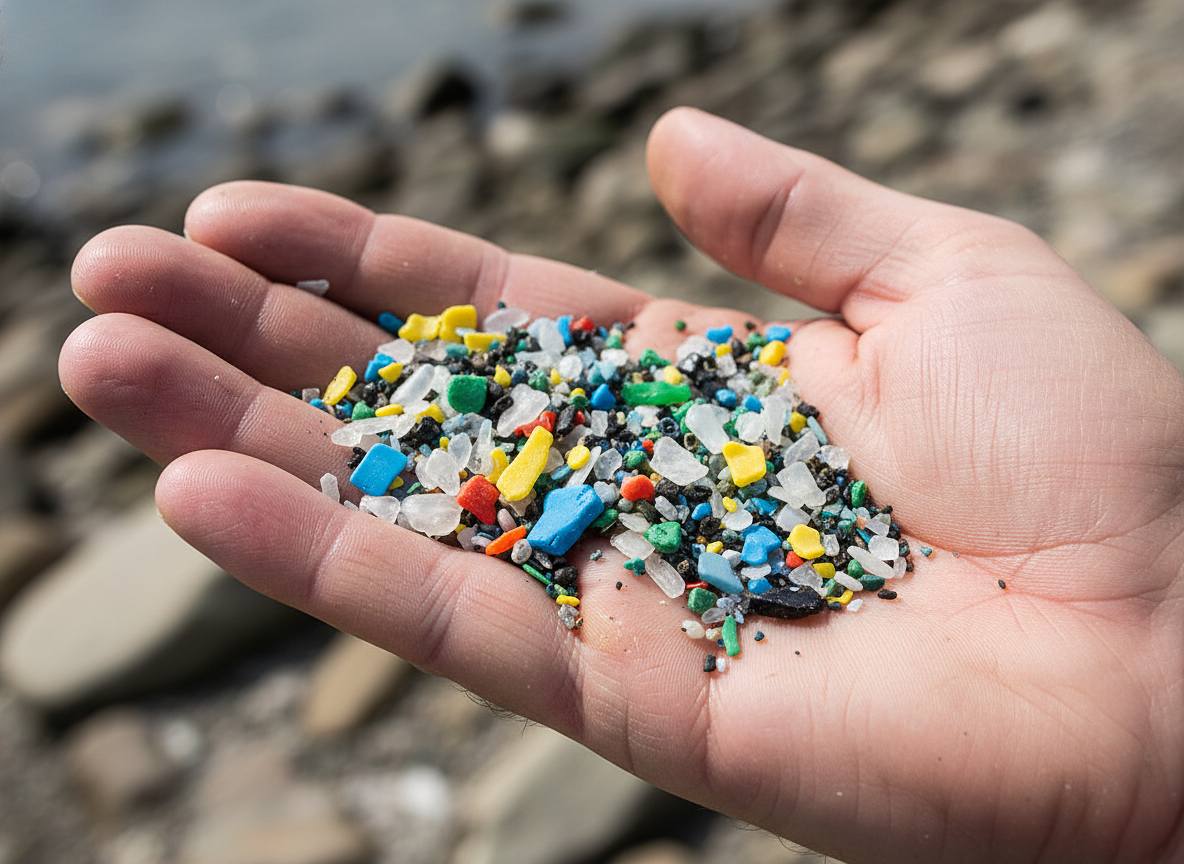
Your customers read labels. They research ingredients. They choose your product because they trust you to deliver something that supports their health. But if your formula ships in a conventional HDPE bottle, there is a growing body of science suggesting the container itself may be working against everything your brand stands for.
A 2024 study published in the New England Journal of Medicine found microplastics and nanoplastics in the arterial plaque of cardiac patients. Those patients had a 4.5 times higher risk of heart attack, stroke, or death within 34 months compared to patients without detectable plastic particles. That is not a fringe finding. That is human clinical data from one of the most peer-reviewed medical journals on the planet.
A 2026 study from researchers at Fudan University and Duke University, published in Nature Climate Change, added another dimension to the problem. Microplastics floating on the ocean surface darken the water and increase solar heat absorption, contributing meaningfully to ocean warming. Researchers commenting on the study compared the thermal effect to running roughly 200 coal-fired power plants. The plastic your customers buy today does not stay in the recycling bin. Only about 9 percent of global plastic waste is actually recycled. The rest enters landfills, incinerators, or the open environment, where conventional HDPE fragments into persistent microplastic particles that cycle through soil, water, and the food chain indefinitely.
The Real Problem With Conventional HDPE Packaging
Conventional HDPE does not go away. When it escapes containment, whether through mismanaged waste, littering, or recycling system failures, it fragments mechanically under UV and environmental stress into smaller and smaller pieces. Those pieces do not convert into anything the natural world can process. They persist as microplastics for an estimated 400 to 500 years. For a supplement brand positioning itself around wellness, purity, and customer care, that is a significant contradiction sitting right on the shelf.
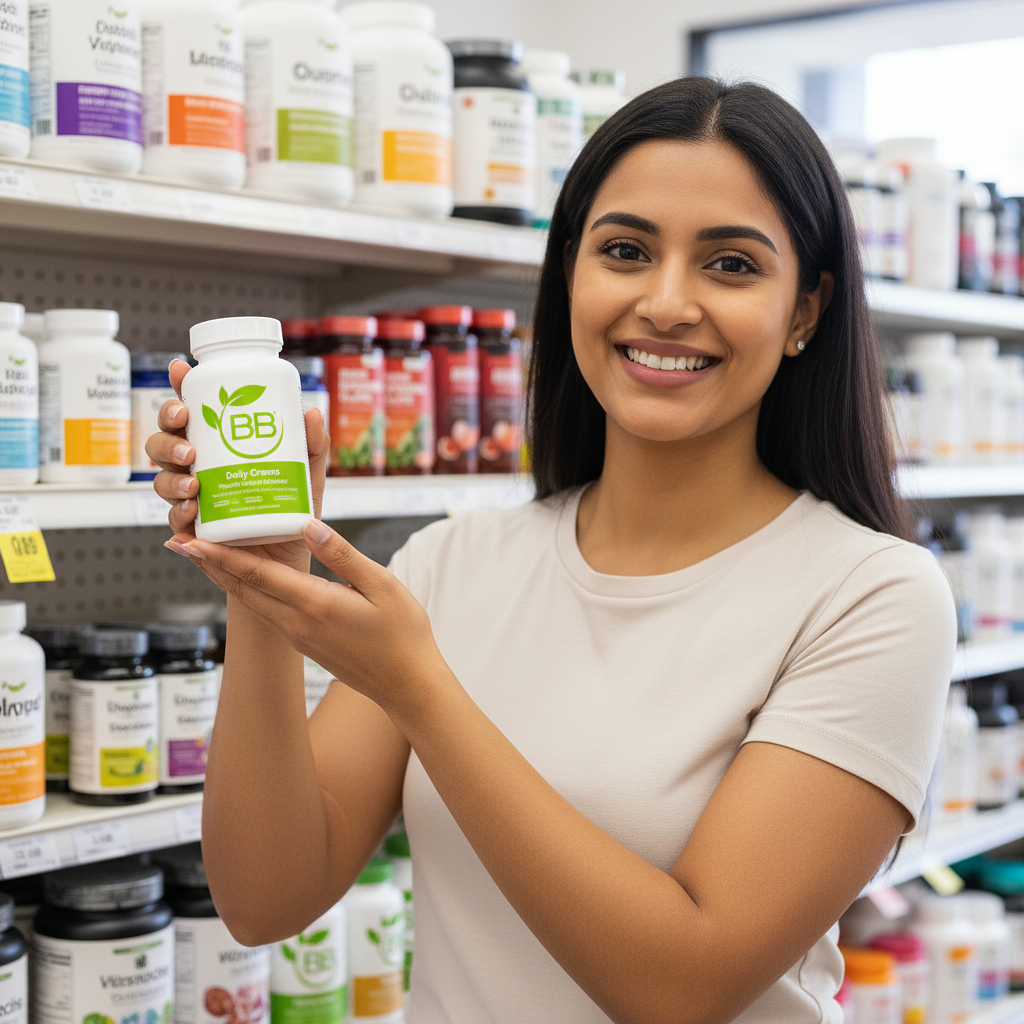
BioBottles® Prevent Persistent Microplastics. Conventional Plastic Does Not.
BioBottles® are built from the same HDPE your operation already uses, with one important difference. Each bottle contains PlasticIQ®, a Prodegradant BioPolymer Catalyst integrated at approximately 1 percent concentration. Under normal storage and use conditions, the bottle performs identically to standard HDPE. It maintains full shelf life, passes FDA food-contact compliance under 21 CFR sections 177.1520 and 178.2010, and runs on existing filling lines without equipment changes.
The difference shows up if a BioBottles® container escapes containment. Instead of fragmenting into persistent microplastics, the PlasticIQ® catalyst initiates controlled oxidation that prevents the formation of persistent microplastics, rather than allowing the material to biodegrade in the traditional sense. This prodegradation process reduces the polymer molecular weight to below 5,000 Daltons, at which threshold the material becomes hydrophilic and bioassimilable. The reduced polymer becomes available for microbial processing in appropriate environments, rather than persisting as microplastics. The material does not accumulate. It does not fragment endlessly. It exits the persistent microplastic pathway.
BioBottles® performance is verified across all three tiers of ASTM D6954 (2024 Edition) testing: Tier 1 for oxidation and molecular weight reduction, Tier 2 for microbial assimilation and CO2 evolution, and Tier 3 for ecotoxicity confirmation. Independent validation comes from Jordi Labs in the United States and international scientific experts.
Recyclable. Compliant. And Ready for Your Supply Chain.
- Recyclable through existing HDPE streams when properly disposed and collected (local programs may vary)
- FDA food-contact compliant under 21 CFR sections 177.1520, 178.2010, and 175.300
- Scientifically verified under ASTM D6954 Tier 1-3 testing
- Drop-in replacement for standard HDPE bottles with no equipment changes required
- Third-party validated by Jordi Labs (U.S.) and international scientific experts
- Shelf-stable for the life of your product
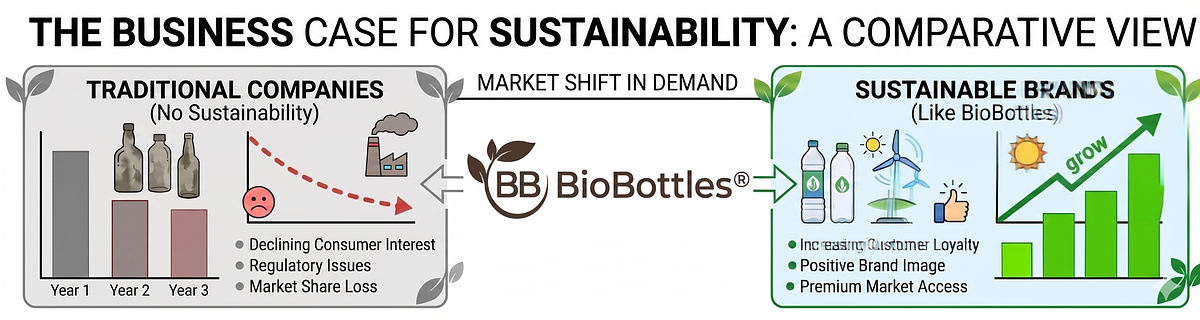
Your Customers Are Already Asking the Question
Health-conscious buyers are not separating their concern for what goes into their bodies from their concern for what their purchases leave behind in the world. When they see clinical data linking microplastics to cardiovascular risk, they start looking at the brands they trust and asking whether those brands have thought about this. Switching to BioBottles® gives you a concrete, science-backed answer: yes, we have, and here is what we did about it.
BioCaps® use the same PlasticIQ® technology, ensuring your entire packaging system aligns with your sustainability goals. BioBottles® and BioCaps® are manufactured by Green Frog Packaging and trusted by brands including Ancient Nutrition, Bionox, Purity Labs, and Elevate Organic. If you are ready to align your packaging with the health values your product already represents, learn more about BioBottles® and BioCaps® at gogreenfrog.com.

Related reading
- Where can I buy HDPE bottles with microplastic prevention technology? Looking for HDPE bottles with microplastic prevention technology? Here is what the certificate on your bottle actually measures, and where to buy.
- Oxo-Biodegradable vs. Oxo-Degradable Plastic: Why the Difference Defines Your Microplastic Risk Learn the critical difference between oxo-degradable and oxo-biodegradable plastics, and how BioBottles® with PlasticIQ® technology prevents persistent microplastic formation—verified under ASTM D6954 Tier 1-3 testing.
- Biodegradable Plastic Bottles: What Supplement Brands Need to Know Before Making a Claim Supplement brands are under scrutiny for greenwashing. Learn how BioBottles with PlasticIQ™ technology give you a scientifically verified sustainability claim that holds up to FTC and California SB 343 standards.