Oxo-Biodegradable vs. Oxo-Degradable Plastic: Why the Difference Defines Your Microplastic Risk
Learn the critical difference between oxo-degradable and oxo-biodegradable plastics, and how BioBottles® with PlasticIQ® technology prevents persistent microplastic formation—verified under ASTM D6954 Tier 1-3 testing.
For procurement managers, sustainability officers, and brand formulators evaluating packaging claims, two terms are generating significant regulatory and scientific attention: oxo-degradable and oxo-biodegradable. These terms sound nearly identical. Their real-world outcomes, however, are fundamentally different—and choosing the wrong one exposes your brand to both regulatory risk and the very microplastic problem your sustainability program is trying to solve.
The Core Distinction: Fragmentation vs. Assimilation
Oxo-degradable plastics use pro-oxidant additives to accelerate the physical fragmentation of polymer chains when exposed to heat, UV, and oxygen. The result: smaller and smaller plastic pieces that persist in the environment as synthetic polymer fragments. The European Chemicals Agency (ECHA) explicitly classifies these persistent fragments as microplastics—synthetic polymers resistant to biodegradation. Oxo-degradation without subsequent microbial assimilation does not solve the microplastics problem. It arguably accelerates it.
Oxo-biodegradable plastics follow a different and scientifically validated pathway. Controlled oxidation reduces polymer molecular weight—from above 200,000 Daltons to below 5,000 Daltons—at which point the material transitions from hydrophobic to hydrophilic and becomes bioassimilable by microorganisms. The material does not persist. It enters the microbial food chain. No persistent fragments. No accumulating microplastic load.
How PlasticIQ® Technology Delivers the Oxo-Biodegradable Pathway
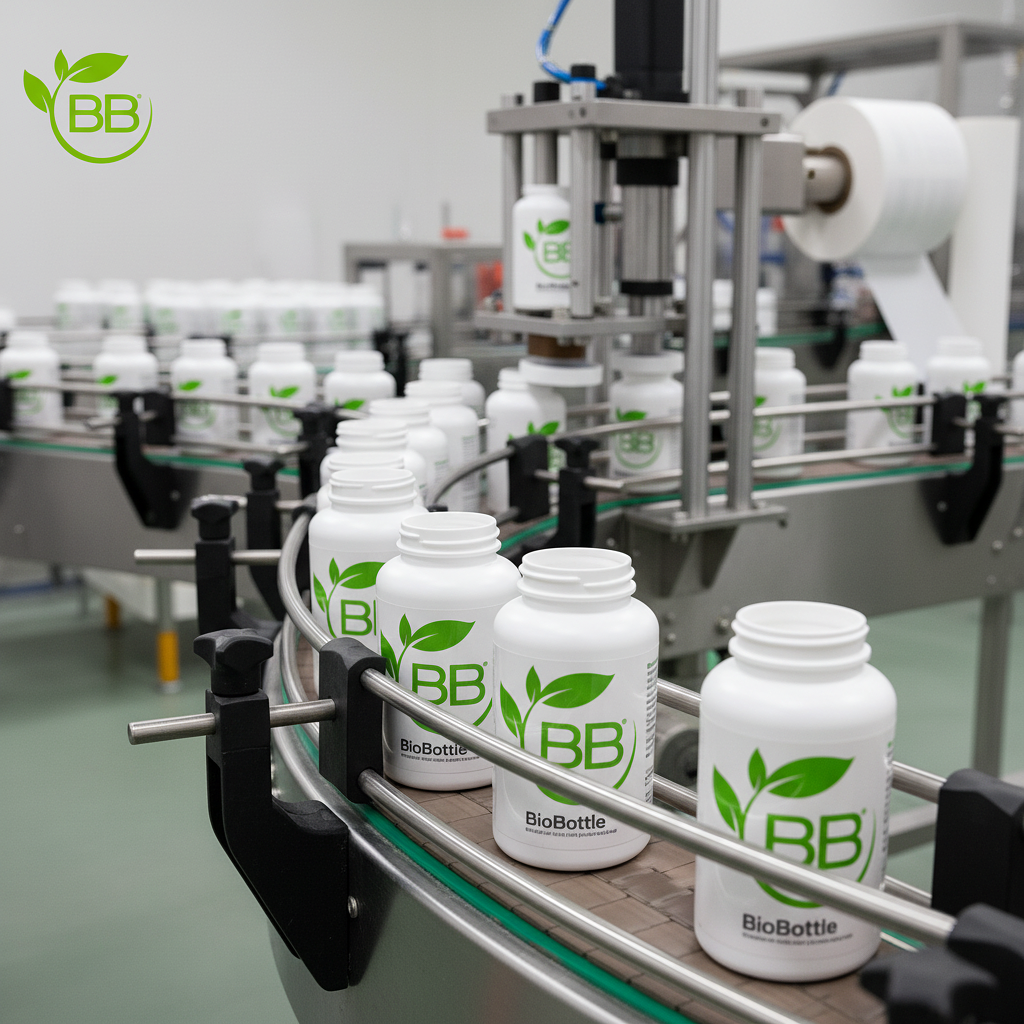
BioBottles® and BioCaps®, manufactured by Green Frog Packaging, integrate PlasticIQ® technology—a Prodegradant BioPolymer Catalyst incorporated at approximately 1% concentration into HDPE and PP resin, respectively. PlasticIQ® is not an enzyme. It is a precision-formulated BioPolymer catalyst that initiates controlled oxidative chain scission only when packaging is exposed to environmental conditions: oxygen, heat, and UV radiation.
Under normal storage, distribution, and retail conditions, BioBottles® and BioCaps® maintain full functionality, shelf stability, and recyclability. The PlasticIQ® mechanism activates only when containment is lost—exactly the scenario where traditional plastics become persistent environmental contaminants.
ASTM D6954: The Three-Tier Verification Standard That Separates Claims from Science
BioBottles® and BioCaps® have been scientifically verified under ASTM D6954 Tier 1-3 testing to prevent the formation of persistent microplastics if packaging escapes containment. This is Green Frog Packaging's primary verified claim, and it is supported by independent third-party testing at Jordi Labs (U.S.) and validated by international scientific experts including Professor Telmo Ojeda and CIQA (Mexico).
- Tier 1 — Oxidation: Confirms controlled chain scission and molecular weight reduction via measurable oxidation onset
- Tier 2 — Biodegradation: Measures CO₂ evolution confirming microbial assimilation of the oxidized material
- Tier 3 — Ecotoxicity: Validates that no harmful residues remain after the process completes
This three-tier framework is precisely what differentiates a substantiated oxo-biodegradable claim from an unsubstantiated marketing assertion. Many packaging suppliers make vague sustainability claims that cannot withstand FTC Green Guides scrutiny. ASTM D6954 Tier 1-3 verification provides the competent and reliable scientific evidence the FTC requires.
What This Means for Your Brand's Compliance Posture
Approximately 22% of global plastic waste is mismanaged and enters the environment. Recycling infrastructure alone cannot intercept every unit your brand puts into commerce. For brand owners and sustainability officers building ESG programs, the question is no longer whether recycling is sufficient—it is what happens to the units that escape the system.
BioBottles® and BioCaps® are recyclable through existing HDPE and PP recycling streams when properly disposed of and collected. Local programs may vary. And for packaging that does not reach a recycling facility, PlasticIQ® technology provides a scientifically verified secondary safeguard against persistent microplastic formation—without conflicting with circular economy goals.
""Scientifically verified under ASTM D6954 Tier 1-3 testing to prevent the formation of persistent microplastics if packaging escapes containment." — Green Frog Packaging Master Verified Claim"
Drop-In Compatibility. No Operational Trade-Offs.
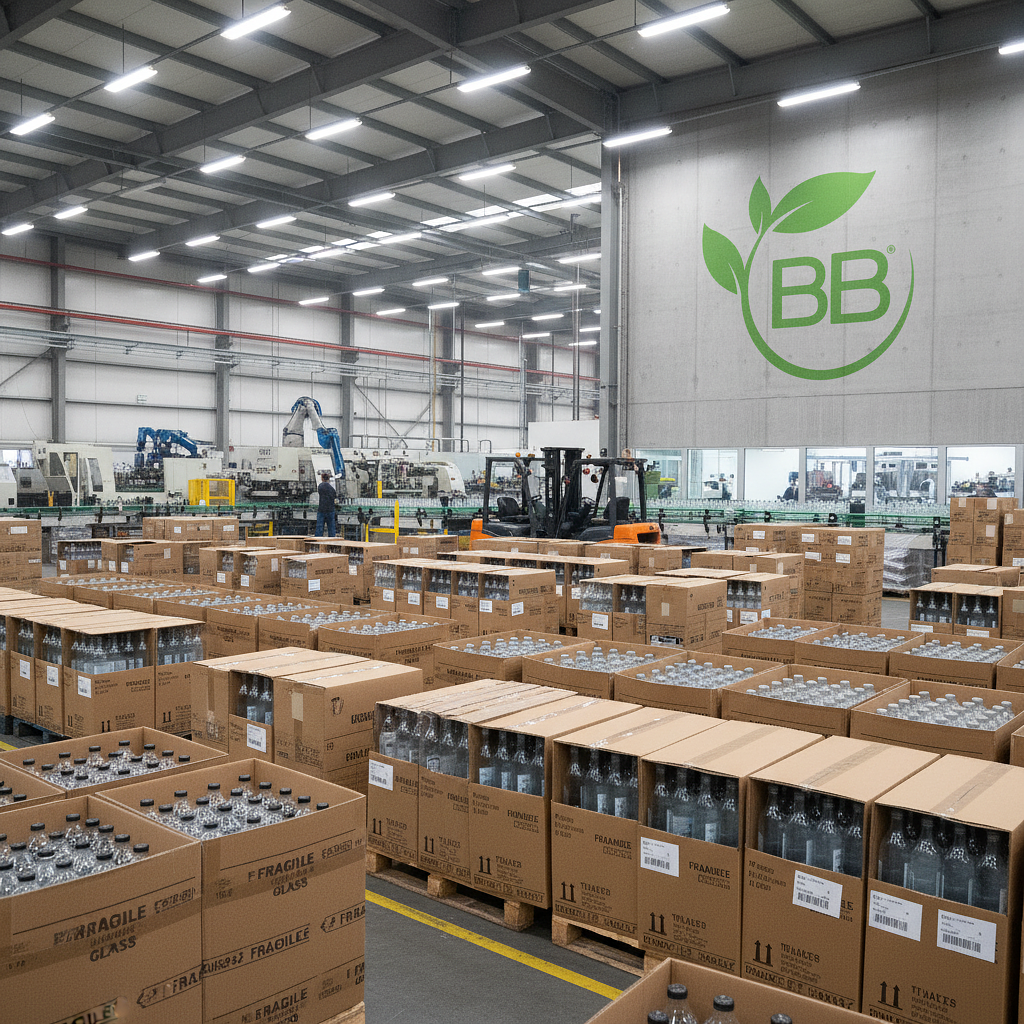
For procurement teams, BioBottles® and BioCaps® are designed as drop-in replacements for standard HDPE and PP packaging. No equipment modifications. No changes to filling line configurations. FDA food-contact compliant under 21 CFR §§177.1520, 178.2010, and 175.300, with EU 10/2011 compliance for European market requirements. Same performance specifications. Measurably different environmental risk profile.
If your brand is evaluating packaging partners who can support credible, compliance-safe sustainability claims—claims that satisfy FTC Green Guides, California SB 343, and ASTM D6954—BioBottles® and BioCaps® with PlasticIQ® technology represent the technically substantiated choice. Learn more at gogreenfrog.com and request technical documentation for your regulatory review.
Related reading
- Is It Greenwashing to Say Plastic Packaging Prevents Microplastics? Here Is the Honest Answer. Brand owners ask: is claiming your packaging prevents microplastics greenwashing? We break down exactly what makes the claim credible, compliant, and defensible under FTC Green Guides and ASTM D6954.
- Oxo-Biodegradable vs. Oxo-Degradable Plastic: Why the Distinction Matters for Your Brand Oxo-degradable plastics create persistent microplastics. Oxo-biodegradable BioBottles® with PlasticIQ® technology complete bacterial assimilation, verified under ASTM D6954 Tier 1-3. Learn the science and the regulatory difference.
- The Best Solutions to Prevent Microplastic Pollution from Plastic Packaging Discover the best science-backed solutions to prevent microplastic pollution from plastic packaging. Learn how PlasticIQ® technology in BioBottles® and BioCaps® is verified under ASTM D6954 Tier 1-3 testing to prevent persistent microplastic formation.