Oxo-Biodegradable vs. Oxo-Degradable Plastic: Why the Distinction Matters for Your Brand
Oxo-degradable plastics create persistent microplastics. Oxo-biodegradable BioBottles® with PlasticIQ® technology complete bacterial assimilation, verified under ASTM D6954 Tier 1-3. Learn the science and the regulatory difference.
If you source plastic packaging for supplements, personal care, or food and beverage products, you have almost certainly encountered both terms: oxo-degradable and oxo-biodegradable. They look nearly identical on paper. In practice, they represent fundamentally different outcomes for your product, your brand, and the regulatory dossier your sustainability team is responsible for maintaining.
This post breaks down the science behind each term, explains why regulators in the European Union and elsewhere have moved to restrict one while leaving the other intact, and shows how BioBottles® and BioCaps® from Green Frog Packaging fit into this landscape. A conclusion with product resources is included at the end.
The Core Difference: Fragmentation vs. Assimilation
Oxo-degradable plastics use a metal-salt additive that accelerates photo-oxidative fragmentation. The polymer chain breaks into progressively smaller pieces when exposed to UV light, heat, and oxygen. The critical problem: fragmentation stops at the microplastic stage. The European Chemicals Agency (ECHA) defines microplastics as persistent synthetic polymer fragments resistant to biodegradation. Oxo-degradable technology produces exactly those fragments, which is why the EU Single-Use Plastics Directive (2019/904) prohibits oxo-degradable plastic products across all 27 member states.
BioBottles® and BioCaps® with PlasticIQ® technology follow a different two-stage pathway. Stage one is controlled oxidation: the PlasticIQ® Prodegradant BioPolymer Catalyst integrated into BioBottles® and BioCaps® at approximately 1% concentration initiates chain scission when exposed to oxygen, heat, and UV. This reduces the polymer's molecular weight from above 200,000 Daltons down to below 5,000 Daltons. Stage two is microbial assimilation: below that molecular weight threshold, the material becomes hydrophilic and bioassimilable. Bacteria consume the resulting waxy substance, converting it into biomass, water, and CO2. No persistent fragments remain.
How ASTM D6954 Verifies the Full Pathway
The reason Green Frog Packaging can make scientifically grounded claims is that BioBottles® and BioCaps® have been verified under all three tiers of ASTM D6954 (2024 Edition) testing.
- Tier 1 (Oxidation): Confirms controlled chain scission occurs and measures molecular weight reduction and oxidation onset.
- Tier 2 (Biodegradation): Measures CO2 evolution and confirms the material becomes a food source for microorganisms.
- Tier 3 (Ecotoxicity): Confirms no harmful residues remain after microbial assimilation.
An oxo-degradable plastic can only pass Tier 1. It fragments. It does not pass Tier 2 because no meaningful microbial assimilation occurs. That single gap is what separates a material that reduces plastic pollution from one that redistributes it as microplastics. Third-party validation by Jordi Labs (U.S.) and independent international scientific experts confirms that BioBottles® and BioCaps® with PlasticIQ® technology have passed all three tiers and that the data is scientifically sound.
What This Means for Your Regulatory Exposure
Brand owners and procurement teams carrying oxo-degradable suppliers in their supply chain face real exposure. The EU prohibition is already in force. Switzerland banned oxo-degradable plastics as of April 1, 2022. Several additional jurisdictions are actively reviewing similar restrictions as part of broader single-use plastics frameworks.
BioBottles® and BioCaps® operate in a different regulatory category. The technology is recognized as biodegradable under Pakistan's Prohibition of Non-degradable Plastic Products Regulations 2013. It is mandated under Saudi Arabia's SASO Technical Regulation M.A-156-16-03-03, Jordan's Regulations for Biodegradable Plastic Shopping Bags No. 45 of 2017, and corresponding frameworks in Bahrain, Qatar, and Ghana. Across 31 additional markets including Brazil, Mexico, South Africa, and the United Kingdom, the biodegradable claim is fully permitted with ASTM D6954 data as substantiation. Green Frog Packaging's country-by-country compliance framework covers more than 80 jurisdictions globally.
Recyclability Is Preserved, Not Compromised
A common concern among formulators and procurement teams is whether oxo-biodegradable additives interfere with existing recycling streams. BioBottles® and BioCaps® maintain full functionality and recyclability under normal use conditions. The PlasticIQ® catalyst only activates under sustained exposure to UV, oxygen, and heat. During shelf life and standard use, the packaging performs identically to conventional HDPE and PP. When properly disposed of and collected, BioBottles® are recyclable through existing HDPE and PP recycling streams. Local programs may vary.
The Master Claim Your Sustainability Team Can Use
Green Frog Packaging's primary verified claim is: BioBottles® and BioCaps® are scientifically verified under ASTM D6954 Tier 1-3 testing to prevent the formation of persistent microplastics if packaging escapes containment. This claim is compliant with FTC Green Guides (16 CFR Part 260), California SB 343, and the substantiation standards applied in the majority of global markets where Green Frog Packaging operates.
If your team is evaluating packaging suppliers and needs to distinguish scientifically verified microplastic prevention from unsubstantiated degradability claims, the ASTM D6954 Tier 1-3 certification is the clearest benchmark available. You can review the full product specifications, compliance documentation, and testing data at gogreenfrog.com.
Ready to Evaluate BioBottles® for Your Supply Chain?
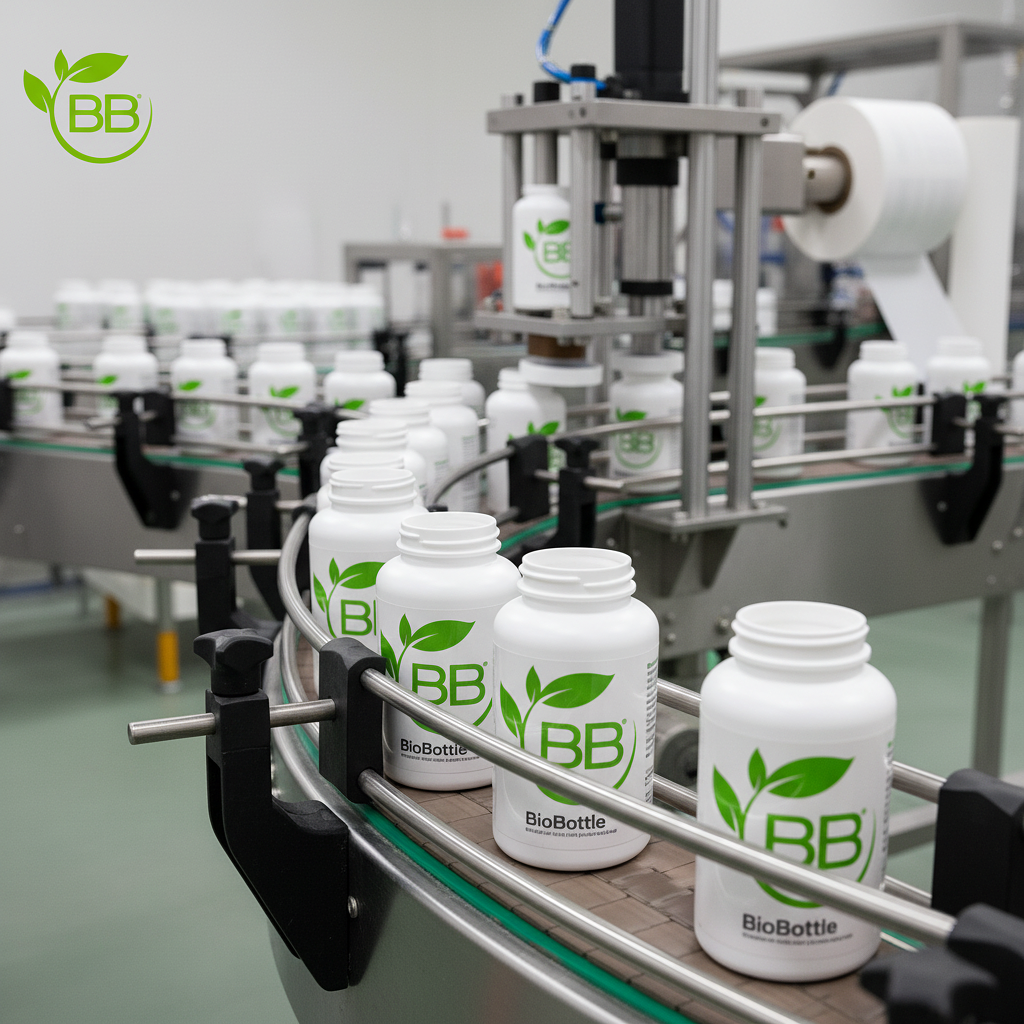
Green Frog Packaging supplies BioBottles® and BioCaps® to brand owners in supplements, nutraceuticals, personal care, and food and beverage. Both products are FDA food-contact compliant under 21 CFR sections 177.1520, 178.2010, and 175.300. Pricing is competitive with standard HDPE and PP packaging. No equipment changes are required on existing filling lines. Request samples or technical documentation through gogreenfrog.com.
Related reading
- Do Biodegradable Plastic Additives Actually Work? What the Science Says About PlasticIQ™ Do biodegradable plastic additives actually work? Discover the science behind PlasticIQ™ technology in BioBottles® and BioCaps® — ASTM D6954 verified to prevent persistent microplastic formation.
- How Packaging Companies Can Reduce Microplastic Formation From Their Products Packaging companies can reduce microplastic formation by adopting PlasticIQ® technology, validated under ASTM D6954 Tier 1-3 testing. Learn how BioBottles® and BioCaps® are engineered to help prevent persistent microplastic fragments if packaging escapes containment.
- Oxo-Biodegradable vs. Oxo-Degradable Plastic: Why the Difference Defines Your Microplastic Risk Learn the critical difference between oxo-degradable and oxo-biodegradable plastics, and how BioBottles® with PlasticIQ® technology prevents persistent microplastic formation—verified under ASTM D6954 Tier 1-3 testing.